
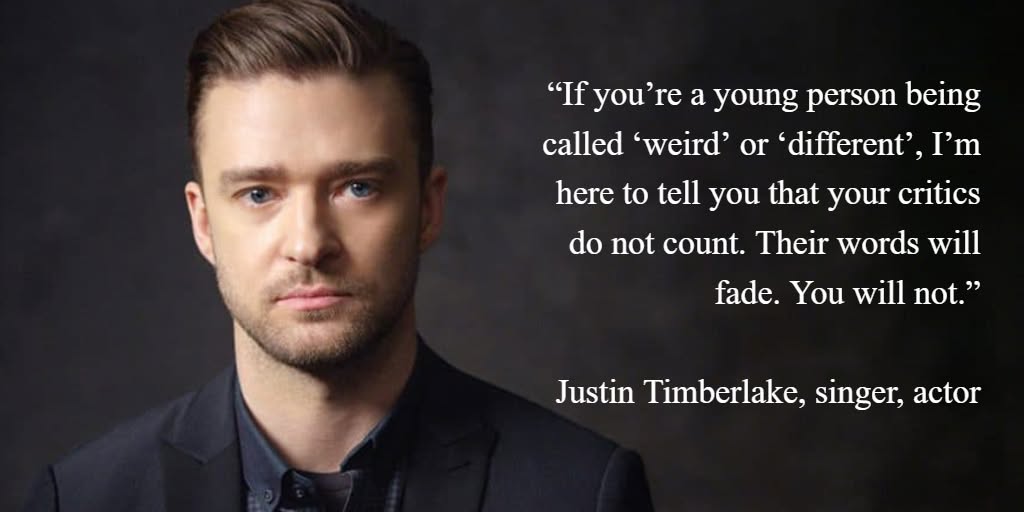

Celebrities Over 40 with ADHD: Justin Timberlake

Success Doesn’t Require ‘Normal’: What Justin Timberlake’s ADHD Journey Teaches Entrepreneurs About Awareness and Support
He performed for millions, dominated the charts, won multiple Grammys, and built a multimedia empire spanning music, film, and business. Justin Timberlake’s public persona epitomized effortless cool and seemingly flawless execution. But behind the polished performances and chart-topping hits, Timberlake was navigating something the world couldn’t see: a dual diagnosis of ADHD and OCD that had shaped his entire life.
In 2008, when Timberlake chose to speak openly about his mental health journey, he did more than share his personal story. He challenged the narrative that success requires a “normal” brain, and he demonstrated something crucial for entrepreneurs and high achievers: awareness and support systems aren’t signs of weakness. They’re the foundation of sustainable excellence.

The Silent Battle During the Spotlight Years

From his early days on The Mickey Mouse Club through his meteoric rise with NSYNC, Timberlake was silently managing challenges that most people couldn’t see. While audiences watched seamless choreography and heard perfectly executed vocal runs, he was internally wrestling with difficulties in focus, routine, and anxiety—the hallmark symptoms of ADHD and OCD.
This experience mirrors what countless entrepreneurs face: outward success masking internal struggle. You close the deal, launch the product, scale the company—all while your mind races with intrusive thoughts, pulls you in twelve directions simultaneously, and demands perfection in ways that feel impossible to satisfy.
The dual nature of ADHD and OCD creates a particularly complex challenge. ADHD manifests through attention difficulties, impulse control issues, and organizational challenges. Imagine trying to complete long, complex recording sessions or master tight choreography when your mind constantly pulls you in different directions. Meanwhile, OCD introduces persistent intrusive thoughts and compulsions—perfectionism around work and appearance, strict daily routines that can’t be disrupted without significant anxiety.
For someone constantly in the spotlight, these symptoms create a perfect storm. Yet Timberlake not only survived this combination—he thrived. Understanding how requires examining the role of awareness and intentional support systems.

The Power of Naming What You’re Fighting

There’s profound power in diagnosis—not as a limitation, but as a framework for understanding. When you can name what you’re experiencing, you stop fighting shadows and start addressing specific challenges with targeted strategies.
Before awareness, many high achievers with ADHD and OCD develop a damaging internal narrative. They attribute their struggles to character flaws: I’m lazy. I’m unreliable. I overthink everything. I can’t let go. Something is fundamentally wrong with me. This self-judgment compounds the actual neurological challenges, creating layers of shame and anxiety that interfere even more with function.
Awareness shifts the conversation entirely. It’s not that you’re broken—it’s that your brain operates with a different neurological profile that requires specific understanding and support. This reframe is especially critical for entrepreneurs, who often pride themselves on self-reliance and may interpret needing help as failure.
Timberlake’s public disclosure in 2008 helped destigmatize these conditions, particularly in entertainment and celebrity culture where image management often takes precedence over authentic disclosure. By speaking openly, he gave permission for others to acknowledge their own struggles without shame.

The Double-Edged Sword of Creative Neurodiversity

Here’s the paradox that entrepreneurs with ADHD know intimately: the same neurological differences that create challenges also fuel remarkable strengths. As often seen in creative individuals, ADHD’s flip side brings bursts of creativity, spontaneity, and the ability to make unexpected connections that others miss.
Timberlake’s ADHD may have driven divergent thinking, hyperfocus on music and performance, and the high energy that made him a dynamic performer. But it also required extra tools to keep chaos in check. This isn’t about “overcoming” ADHD to succeed—it’s about understanding both sides of the coin and building systems that leverage strengths while managing challenges.
For entrepreneurs, this balance becomes essential. Your ability to see opportunities others miss, to hyperfocus when passion strikes, to take creative risks—these often stem from the same neurology that makes routine administrative tasks feel impossible. The goal isn’t to eliminate one to access the other. It’s to create support structures that allow both to coexist productively.

Why Support Systems Aren’t Optional

Fame brings unique pressures that amplify underlying challenges: constant public scrutiny, demanding schedules, social media feedback, and the expectation to “always be on.” But replace “fame” with “entrepreneurship” and the parallel becomes clear. Running a business creates similar conditions—high stakes, unpredictable demands, public visibility, and relentless pressure to perform.
This is where support systems become non-negotiable. Professional help, therapy, routines, and strategies play a key role in managing symptoms and staying well. These aren’t crutches for the weak—they’re strategic infrastructure for sustainable high performance.
Consider what support might look like for entrepreneurs managing ADHD and OCD:
Professional Mental Health Care: Therapy provides tools for managing intrusive thoughts, developing coping strategies, and understanding how your particular neurology operates. This isn’t indulgence—it’s maintenance for your most important business asset: your mind.
Structured Routines with Flexibility: OCD often demands routine, while ADHD resists rigid structure. The solution isn’t choosing one over the other but creating frameworks that provide grounding without becoming prisons. Daily anchoring practices—morning journaling, consistent work hours, defined transitions between tasks—offer stability that calms OCD anxiety while leaving room for ADHD spontaneity.
External Accountability Systems: When internal executive function struggles, external systems compensate. This might include working with an executive assistant, using project management tools that keep priorities visible, or engaging a business coach who helps maintain strategic focus.
Physical Grounding Tools: Digital systems fail for ADHD brains because they disappear into the chaos of notifications and browser tabs. Physical planning tools—like those designed by Atelier de la Cour—provide tactile, visible anchors. A luxury journal sits on your desk as a constant, beautiful reminder of what deserves your attention. The act of writing engages different neural pathways, slowing racing thoughts enough to capture and organize them.
Understanding Your Patterns: ADHD and OCD create predictable patterns once you know what to look for. When do intrusive thoughts intensify? What triggers hyperfocus versus scattered attention? Which environments support concentration versus chaos? Tracking these patterns through consistent journaling reveals insights that transform from mysterious obstacles into manageable variables.

Breaking Myths That Hold People Back

Timberlake’s openness helps challenge common misconceptions that prevent people from seeking help:
Myth: “ADHD only affects kids.” Timberlake’s experience proves ADHD continues into adulthood. Many entrepreneurs discover their diagnosis only after building successful businesses, finally understanding why certain aspects of professional life always felt inexplicably difficult.
Myth: “OCD is just about being tidy.” True OCD involves intrusive thoughts and compulsive behaviors that can deeply disrupt life. It’s not quirkiness about organization—it’s a neurological condition that creates genuine distress and interference with function.
Myth: “Having ADHD means you can’t succeed.” Timberlake’s career demonstrates that with support and strategies, individuals with ADHD can not only succeed but excel. The key is working with your neurology rather than against it.
Myth: “Needing support is weakness.” High achievers often resist asking for help, interpreting it as failure. But sustainable excellence requires infrastructure. Athletes have coaches and trainers. Musicians have producers and managers. Entrepreneurs managing neurodiversity need their own support systems.

The Visibility Effect: Why Speaking Up Matters

When public figures talk about their mental health, it encourages others to seek help rather than hide. This visibility effect extends beyond celebrity culture into entrepreneurship. When successful business leaders acknowledge their ADHD, their OCD, their anxiety, it normalizes the reality that achievement and neurodiversity coexist.
Silence perpetuates shame. Visibility creates permission. Every entrepreneur who shares their diagnosis helps dismantle the myth that success requires neurotypical function. They demonstrate that excellence comes in many neurological packages, each requiring different support but all capable of remarkable achievement.
This doesn’t mean everyone must publicly disclose their mental health status. But within your own circles—with business partners, with advisors, with yourself—acknowledging the reality of how your brain works allows you to build appropriate support rather than pretending you should function like everyone else.

Strengths and Struggles: Two Sides of the Same Coin

Perhaps the most important lesson from Timberlake’s journey is this: neurodiversity isn’t simply a collection of deficits requiring compensation. ADHD and OCD come with genuine strengths that often drive entrepreneurial success.
The ADHD brain’s ability to hyperfocus creates flow states where extraordinary work happens. The tendency toward divergent thinking generates innovative solutions. The high energy and risk tolerance fuel entrepreneurial ventures. Meanwhile, OCD’s drive for perfection can produce exceptional quality. The attention to detail catches errors others miss. The need for systems and routines creates organizational frameworks.
The challenge isn’t eliminating these traits but managing their shadow sides. Hyperfocus becomes problematic when you can’t shift attention to other priorities. Divergent thinking creates chaos without frameworks to capture and organize ideas. Perfectionism paralyzes when it prevents shipping. Routines become prisons when they can’t adapt to changing circumstances.
This is why awareness and support matter so profoundly. When you understand your neurological profile, you can intentionally cultivate environments and systems that maximize strengths while managing challenges. You stop trying to force yourself into someone else’s operational model and start building one that actually works for how your brain functions.

Your Path Forward

If Timberlake’s story resonates with you, if you recognize patterns of scattered attention mixed with intense focus, of perfectionist demands battling creative spontaneity, of outward success masking internal struggle—you’re not alone, and help is available.
The path to sustainable excellence as an entrepreneur with ADHD, OCD, or both doesn’t require becoming someone you’re not. It requires:
  • Acknowledging how your brain actually works, not how you think it should work
  • Seeking professional support to understand your specific neurological profile
  • Building external systems that compensate for executive function challenges
  • Creating routines that provide grounding without becoming rigid prisons
  • Recognizing that your struggles and your strengths stem from the same source
  • Accepting that needing support isn’t weakness—it’s strategic business planning
Justin Timberlake’s journey offers a powerful reminder: the path to success doesn’t require “normal.” It requires understanding, support, and adaptability. Whether you’re living with ADHD, OCD, both, or supporting someone who is—what matters is recognizing the condition, recognizing your strengths, and putting in place the right tools and care to flourish.
Your neurology isn’t a flaw in your design. It’s the design. The only question is whether you’ll build systems that work with it or keep fighting a battle you were never meant to win. Choose awareness. Choose support. Choose to thrive exactly as you are.

Resources:

Justin Timberlake Opens Up About ADHD and OCD Diagnosis

Atelier de la Cour: Grounding Tools for Non-Linear Thinkers

Note: This article is for informational and educational purposes only and is not intended to diagnose or treat any medical condition. If you suspect you may have ADHD, OCD, or any other mental health condition, please consult with a qualified healthcare professional.

share

related stories

How To Stay Mentally Organized When Starting A Short Term Rental Business

Starting a short-term rental business sounds glamorous on the internet. Passive income. Bookings while you sleep. Five-star reviews rolling in.

Reality check? It’s a lot of moving parts—especially if your brain runs at 100 tabs open (hello, ADHD entrepreneurs 👋).

If you’ve ever felt mentally scattered while trying to launch a short-term rental, you’re not broken. You’re just running a business without a system that works with your brain instead of against it.

This is exactly why mental organization—not motivation—is the real secret to building a successful short-term rental business.

read full story
Scroll to Top